




In different industries (such as petroleum, chemical industry, machinery, etc.), what are the special requirements and considerations for the application of bolt seals?
 Mar 15, 2025|
 In the industrial manufacturing process, bolt seals are a key means of connection and sealing. Their stability and reliability have a direct impact on the safe operation and work efficiency of the equipment. In my country, due to the rapid development of industry, bolt seals are widely used in various types of mechanical equipment. Since different industries have their own unique media environment, working pressure, temperature conditions and equipment characteristics, specific requirements and considerations are put forward for bolt seals. At present, with the rapid development of my country's economic level, bolt seals are widely used in various industries and play an increasingly important role. In this article, we will conduct an in-depth analysis of the use characteristics of bolt seals in multiple industries such as petroleum, chemical industry, machinery, etc., aiming to provide valuable reference information for these related industries.

Special requirements and considerations for bolt sealing in the petroleum industry
Special media environment and temperature and pressure conditions
In the oil industry, bolt seals often need to deal with problems caused by a variety of complex media environments such as crude oil, natural gas, and drilling fluids. Among them, crude oil and natural gas are the two main types of media. Such media are usually highly corrosive, abrasive, and have the characteristics of high temperature and high pressure, which puts very high standards on sealing materials. Traditional sealing materials can no longer meet the current needs of oil and gas extraction. In crude oil and natural gas, corrosive substances such as sulfides and chlorides will cause the sealing materials to age faster. In high temperature and high pressure environments, sealing materials need to have excellent high temperature and high pressure resistance to ensure the reliability and durability of their sealing performance.
Special requirements for the selection of sealing materials
Considering the unique environment of the oil industry, it is particularly important to choose the right sealing material. In recent years, with the continuous development and progress of science and technology, new sealing materials have emerged. High temperature and high pressure sealing gaskets and metal sealing rings are regarded as the preferred materials. With the advancement of technology, some new polymer materials with high temperature resistance, corrosion resistance and high elastic modulus are gradually used in the oil industry. This batch of materials not only exhibits excellent high temperature and pressure resistance, but also has excellent corrosion resistance and elasticity, enabling it to adapt to various complex working environments in the oil industry. As the depth of oil extraction continues to increase, higher requirements are placed on the installation of oil and gas pipelines, so the safety of oil and gas pipelines must be guaranteed. In the process of selecting materials, we must comprehensively weigh their resistance to temperature, pressure, corrosion and elasticity, so as to ensure the stability and service life of the bolt seal.
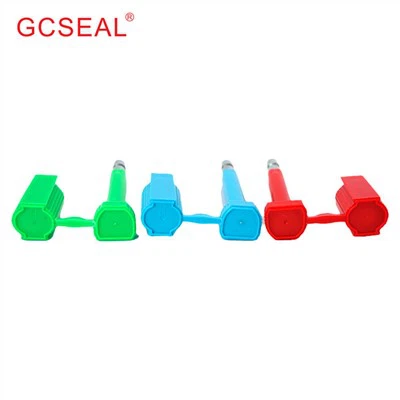
Special requirements and considerations for bolt seals in the chemical industry
Material selection, coating protection and corrosion resistance
In the chemical industry, bolt seals often come into contact with various corrosive chemicals, such as acids, alkalis and salts. Such as chlorine, hydrogen sulfide, etc. Such chemicals are extremely corrosive to sealing materials and can easily cause the failure of sealing devices. In addition, due to the serious friction between bolts and nuts, the sealing performance will also be reduced. Therefore, in the process of selecting sealing materials, we must first pay attention to its corrosion resistance. In recent years, with the development of science and technology and the enhancement of people's environmental awareness, more and more new corrosion-resistant materials have been used in the field of bolt sealing. In the chemical industry, corrosion-resistant materials such as stainless steel and special alloys have become the preferred materials for bolt seals. In addition, coating protection methods such as galvanizing, sandblasting and painting can also significantly enhance the corrosion resistance of sealing components, thereby extending their service life.
Special requirements and considerations for bolt seals in the machinery industry
Tightening torque, vibration resistance and stability under long-term use
In the machinery industry, especially in the field of heavy and precision machinery, the tightening torque, vibration resistance and stability of bolt seals in long-term use are regarded as core considerations. Among them, tightening torque is one of the key factors that determine the reliability of fastener connections. For heavy machinery, bolt seals need to have sufficient tightening torque to withstand great loads and vibrations; for high-precision mechanical equipment, bolt seals need to maintain their stable sealing characteristics during long-term use to prevent leakage caused by loosening or wear. At present, a lot of research has been done at home and abroad on the two commonly used fasteners in mechanical structures-metal threads and rubber seals, but the design methods of rubber gaskets for mechanical structures are rarely involved. Therefore, when deciding on the bolt sealing scheme, it is necessary to reasonably determine the tightening torque according to the specific needs of the mechanical equipment, select sealing materials with good anti-vibration performance, and take maintenance measures such as regular replacement and lubrication to ensure its stability.
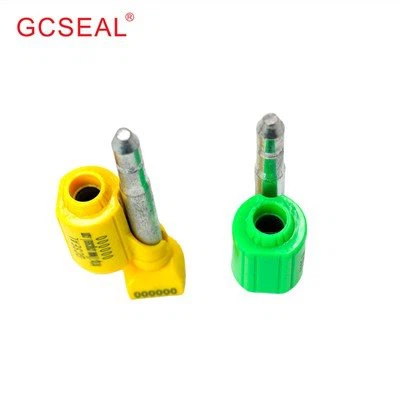
Explosion-proof safety requirements for bolt sealing in potentially explosive environments such as petroleum and chemical
Explosion-proof safety requirements
In industries such as petroleum and chemical industries where there are potential explosion risks, the explosion-proof safety standards for bolt sealing are particularly critical. Currently, the commonly used bolt sealing materials are mainly asbestos and rubber, which have different degrees of damage to mechanical properties under high temperature and high stress. The so-called potentially explosive environment refers to places containing flammable and explosive gases or dust. If the sealing function of the bolt has problems and causes leakage, it may trigger a fire or explosion accident. Due to the characteristics of strong flammability and combustibility, contact with flames, high temperature and high pressure in the petroleum and chemical industries, their workplaces face greater dangers. Therefore, in these industries, the sealing of bolts must meet strict explosion-proof and safety standards. At present, a variety of new explosion-proof seals have been developed at home and abroad to address the above problems. Explosion-proof seals such as flameproof and increased safety have been given priority. In addition, there are some non-contact explosion-proof seals. This batch of seals has been designed and produced with unique technology, which can effectively prevent the spread of flames and explosives in explosive environments, thereby ensuring the safety of equipment and personnel. In addition, anti-oxidation treatment of bolts is also one of the important measures to ensure their service life and use effect. In the design and installation of bolt seals, relevant explosion-proof guidelines and regulations must be strictly followed to ensure the reliability and safety of sealing work.
Regulations on the installation, maintenance and overhaul cycle of bolt seals in different industries
Different regulations on installation, maintenance and overhaul cycle
Each industry has its own specific standards and requirements for the installation, maintenance and repair cycle of bolt seals. In many cases, these requirements often lead to the failure of bolt seals and affect the normal operation of the entire system. These recommendations are based on the characteristics of the industry, the operating environment of the equipment and the criticality of bolt seals. With the development of technology, many industries have proposed newer, higher and more demanding standards for them. For example, in the oil industry, given that equipment often needs to work in high temperature, high pressure and corrosive environments, the setting and maintenance of bolt seals need to be more frequent and strict; in the machinery industry, the long-term stability and reliability of bolt seals may receive more attention. In addition, since bolt seals are typical complex systems, their structure is relatively simple and prone to failure. Therefore, when determining the installation, maintenance and repair cycle of bolt seals, the characteristics of the industry and the operating environment of the equipment must be fully considered to ensure the reliability of the bolt seals and the safe operation of the equipment. This article mainly introduces the relevant standards of my country on mechanical structure bolt seals, and analyzes and compares them in combination with actual applications at home and abroad, providing a reference for the formulation of relevant specifications that meet the needs of domestic enterprises. At the same time, the reasonable formulation and implementation of these regulations are crucial to improving the working efficiency of equipment, reducing maintenance costs and ensuring the safety of the production process.